Monday, 5 September 2016

The Box That Makes Life Easier

It’s easy to walk past a cardboard box without thinking about it. They blend into shelves, pile up in storage rooms, and sit quietly by the door when a package arrives. But once you start paying attention, you notice something important: cardboard boxes make life much easier. They are simple, strong, flexible, and affordable, helping us move, store, ship, organize, and protect almost everything we own.

Cardboard works because of smart design. It is made from three layers—a flat sheet, a wavy inner sheet, and another flat sheet. When pressed together, these layers create a material that is lightweight yet surprisingly tough. Fold that material into a box and its strength increases even more. It’s a clever engineering solution that has been trusted for decades, using nothing more than layered paper to create durability.

That strength matters, especially for businesses. Products often travel long distances by truck, plane, and delivery van. Along the way, boxes are stacked, shifted, and handled repeatedly. A weak box would collapse under that pressure, but a well-made cardboard box stays solid, protecting what’s inside. Whether it carries books, kitchen appliances, or toys, it provides confidence that items will arrive safely.

Homes rely on cardboard boxes as well, particularly during major life changes like moving. Packing without boxes quickly becomes chaotic. Boxes bring structure to the process—each room turns into a set of containers, fragile items are cushioned, and heavier items are packed securely at the bottom. Boxes stack neatly in trucks, and unloading becomes faster because everything is grouped and labeled.

Cardboard boxes also bring order to everyday storage. Holiday decorations, school papers, sports gear, and baby clothes all find a place inside them. Closets and garages feel calmer when boxes are stacked neatly instead of items scattered in loose piles. Boxes create boundaries that turn clutter into order.

They are friendly to budgets, too. Cardboard boxes are affordable, reusable, and recyclable. Many businesses reuse boxes multiple times before recycling them, keeping costs low and reducing waste. When a box finally wears out, it can be replaced easily without significant expense.

Branding adds another layer of value. A simple logo, company name, or printed message can turn a plain box into a moving advertisement. Each shipment becomes a traveling billboard seen by delivery drivers, office workers, and neighbors—all without extra marketing cost.

Customer experience improves with good boxes as well. When a package arrives clean and sturdy, customers feel confident before they even open it. The box becomes part of the product experience. A neat, intact box signals care and professionalism, while a crushed or messy one raises doubt.

Cardboard boxes also adapt easily to different needs. Small boxes protect glass jars, medium boxes hold clothing, large boxes carry bedding, and heavy-duty boxes support tools or canned goods. Boxes with handles, double walls, or reinforced corners solve specific challenges. The variety makes cardboard incredibly versatile.

What makes cardboard boxes remarkable is how often they are used and how rarely they are noticed. Their value hides in plain sight. They help people move with confidence, store with order, and ship with safety—quietly making everyday tasks smoother.

In a world full of complex tools and high-tech solutions, cardboard boxes remain one of the most dependable answers. Simple, strong, and always ready, they continue to be there whenever we need them.

Monday, 11 April 2016

The Main Pillars of Packaging

 Packaging is something that you want to make sure that you get right, but what are the main pillars to focus on? Well, here are a few things to help you choose the right packaging that’ll really shin and hit the mark.

The dimension and box shape.

For a good type of design, you should get a packaging shape that’s easy enough to put on shelves. The process to do this is pretty simple, you just have to get the dimensions that are exact, and contain everything that you need, without creating any useless or empty spaces, and also, it’ll eliminate the waste that’s there. Some of the makers keep the boxes the same type of size, while also decreasing the level of contents so that they don’t have to bolster prices. However, this is not a good price.

You should make sure that you try to have packaging that fits it, and try to eliminate excess packaging, or making people think there is more product than what’s really in there. 


The correct Model 

Another thing that you want to do, is to have the correct box model, which is basically the box and the way that it’s filled. For something that’s small for example, you may go with a tuck end, but for bigger boxes and quantities, you want to go with automatic bottoms, as they close a lot faster. Even with higher levels of productions, then you want to get a model with flaps that get glued. This box is usually used for those who have pastas, as they’re created using cartons and also are pretty good for that sort of thing.

Functionality 

How is the box going to work? Are people going to open and close this? This is something that you have to be mindful of. The wrong functionality could make or break a packaging design, as there are a lot of people who may like a product, but the package doesn’t house it very well.

Sustainability 

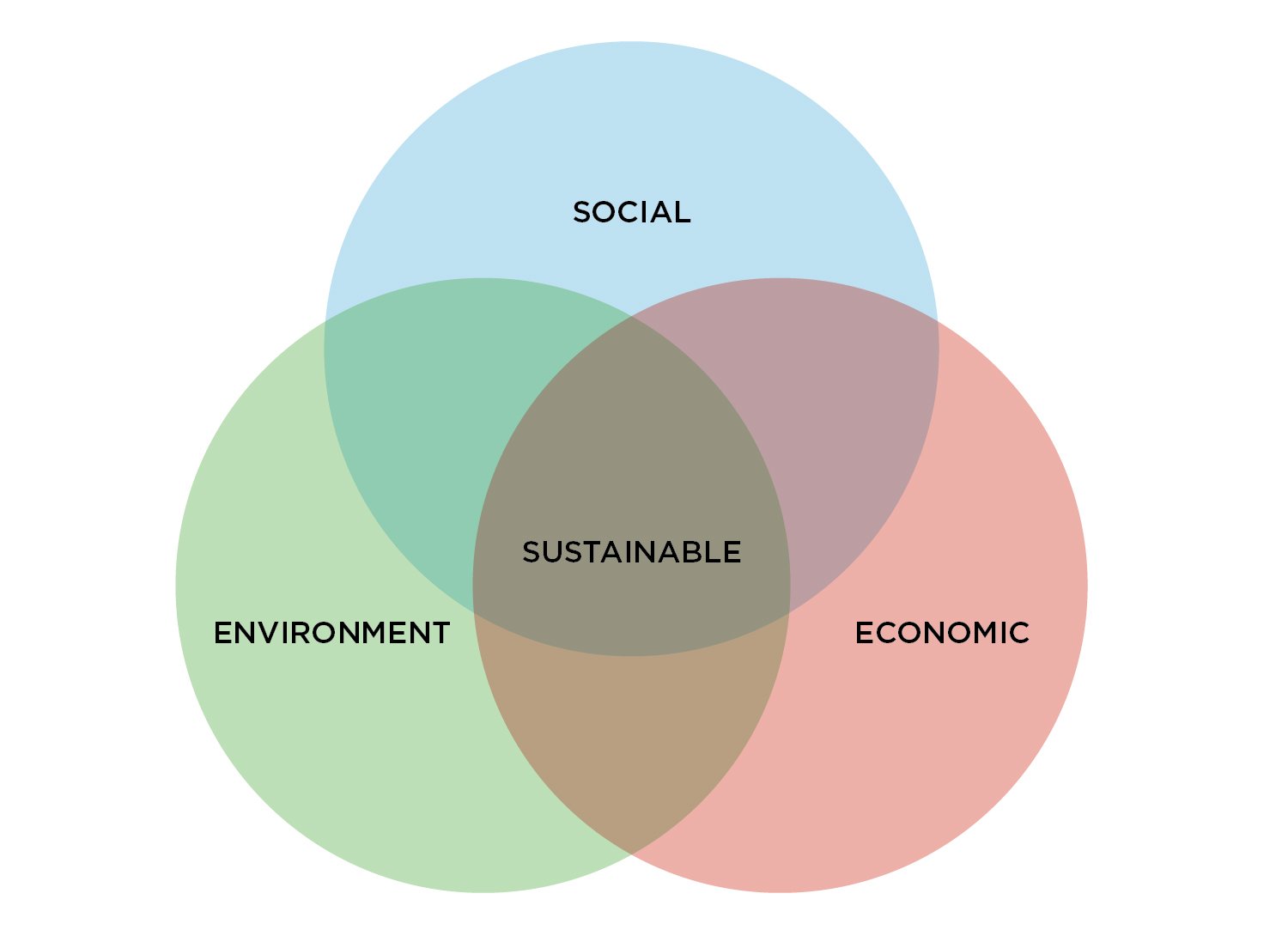
Then there is sustainability, which is where you make something eco-friendly, and easy to recycle. This is something you want to consider, as there are a lot of different customers, and a lot will look for sustainable packaging.


There are now companies that only focus on this, so it’s easier than ever to find this. you can get digital printing and cardboard that’s certified to be composted, and is good for both international and domestic uses. They are also certified in a lot of cases, so they can also be proven to customers to go through the compositing regulations and standards that are there.

There is also packaging that’s made using over half of the energy from resources that are renewable, so it’s even better than ever to go green, because it’s easy to do. If you haven’t already, try to incorporate this into your business model. 

Finishes and Designs 

Finally, you want to make sure that the design and the finish really stands out. Embellishments are super in, because they stand out like crazy. Gold and silver foils, spot varnish, and the like are used in a lot of packaging. However, you should be sparing and wise with this, as they’re used to highlight the products without being too crazy for customers. 


There are other processes that are there, which should not be redundant or invasive, but are there to better emphasize the different characteristics that are there.

So don’t be afraid to add some foil stamping or something, just don’t go so crazy that it looks tacky, but be mindful with it too.


Sunday, 10 January 2016

The Everyday Packaging That Keeps Everything Organized and Protected

Cardboard boxes are one of the most dependable tools in modern life. They help businesses ship products safely, families move from one home to another, and households stay organized year after year. Even though they’re made from simple materials, cardboard boxes offer a surprising level of strength, flexibility, and usefulness. They’re the kind of item people don’t think much about—until they don’t have one.

The strength of cardboard boxes comes from their design. Corrugated cardboard uses a fluted inner layer sandwiched between two flat sheets. This construction creates durability while keeping the material lightweight. A sturdy box can handle heavy loads, resist crushing, and absorb bumps during transportation. This design is so effective that it has stayed nearly the same for decades because it works.

One of the biggest advantages cardboard boxes provide is organization. Without boxes, a garage, attic, closet, or warehouse becomes a chaotic pile of loose items. But with boxes, everything has a place. Seasonal decorations stay grouped. Old photos stay clean and protected. Tools and supplies sit neatly in labeled containers. The simple act of placing items into boxes turns clutter into structure. It makes spaces easier to navigate and belongings easier to find.

Businesses rely on cardboard boxes to ship products safely and efficiently. A warehouse stocked with consistent box sizes can pack orders quickly because workers know exactly what fits where. Boxes stack neatly on shelves, pallets, and trucks, maximizing space and minimizing damage. When a company chooses the right box sizes for its products, the entire shipping operation becomes smoother and more cost-effective.

Protection is another key role cardboard boxes play. They shield products from dust, moisture, and impact. Combined with cushioning materials like bubble wrap, kraft paper, or foam inserts, a box becomes a small protective shell around the product. This is important whether the box is traveling by truck, by air, or sitting in storage for months. A strong box keeps the contents safe and secure.

Customer experience is also shaped by the condition of the box that arrives at their doorstep. A clean, sturdy, well-sealed box builds trust. It tells the customer the business took care with the shipment. Even before they open the package, the outside presentation influences how they feel about the brand. A flimsy or damaged box sends the opposite message and can make customers question the quality of what’s inside.

Cardboard boxes help reduce costs when used efficiently. Proper sizing prevents wasted space and lowers shipping fees. Oversized boxes require more filler materials and cost more to ship. Undersized boxes put pressure on the product and increase the risk of damage. Finding the right balance saves money and keeps the fulfillment process predictable. For businesses shipping hundreds or thousands of orders, these small efficiencies add up to major savings.

Sustainability is another reason cardboard boxes continue to be widely used. Many boxes are made from recycled fibers and can be recycled again after use. They can also be reused multiple times before being broken down. This makes them one of the more environmentally friendly packaging options, especially compared to plastic-based alternatives.

Cardboard boxes come in a wide variety of shapes and strengths. Single-wall boxes are great for everyday items. Double-wall boxes handle heavier products. Flat boxes protect artwork or documents. Tall boxes hold lamps or oddly shaped items. There is a box for virtually every need, and that versatility makes them essential across industries and households.

Outside the business world, cardboard boxes are part of life’s biggest transitions. Moving day doesn’t work without them. Decluttering a room goes faster with them. Mailing gifts, storing keepsakes, organizing kids’ toys—they help with all of it. Their usefulness extends far beyond shipping.

Cardboard boxes succeed because they’re simple, reliable, and adaptable. They protect what matters, keep spaces tidy, support shipping workflows, and make everyday tasks easier. They may not stand out, but they’re one of the most important packaging tools we use.